
Cloud Security
7 CSPM Mistakes That Leave Cloud Configurations Exposed
Most CSPM failures stem from treating configuration drift as a one-time audit rather than a continuous process that erodes security boundaries.
Cloud Security coverage from BitShield News holds 13 articles, 12 of them reference guides. The newest was published on October 14, 2026. New stories are added as soon as they are confirmed, from more than 150 sources checked as often as every 45 seconds. Each story lists its sources. Primary sources we follow for this section include NIST Cybersecurity Framework and Cloud Security Alliance.
Most CSPM failures stem from treating configuration drift as a one-time audit rather than a continuous process that erodes security boundaries.

Your container images accumulate hidden attack surfaces during build time, creating persistent risks that runtime scanning alone cannot detect or resolve.

Container images often inherit hidden vulnerabilities from base layers that remain dormant until runtime execution exposes them to network traffic
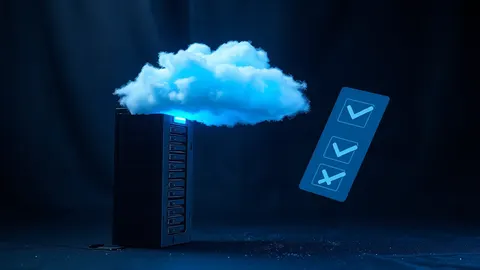
Cloud disaster recovery shifts risk from hardware failure to configuration errors, requiring continuous validation rather than static backups to ensure business continuity.

Identity management systems often grant permissions that never get revoked, creating hidden attack paths that traditional firewalls cannot see or stop.
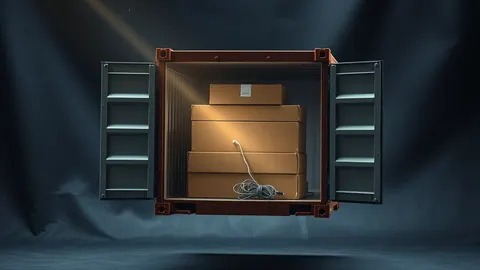
Container scanning reveals hidden supply chain risks by analyzing image layers for known vulnerabilities and misconfigurations before runtime execution begins.
LogicMonitor partners with theCUBE to host two specialized forums on October 13 and 14, focusing on AI data infrastructure and enterprise monitoring challenges.

Secure Access Service Edge consolidates network and security functions, but it shifts risk to identity management and creates new latency dependencies for real-time applications.
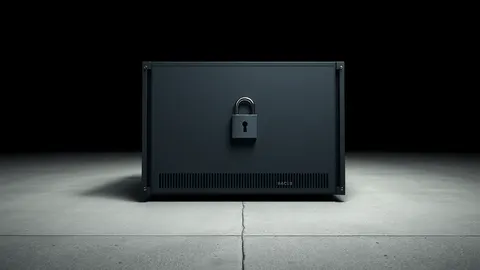
Default cloud database configurations often allow public internet access, turning your storage into an open repository for anyone who scans for it.

The perimeter is not a location you defend, but a state of continuous verification that applies to every request, regardless of origin or destination.
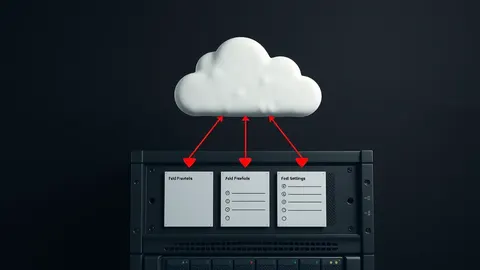
Moving workloads to the cloud shifts your attack surface to identity and configuration, creating new risks that traditional network defenses cannot stop.

Guardrails enforce policy automatically in the cloud, preventing costly misconfigurations before they become security incidents or compliance failures.

Encryption at rest protects your data from physical theft, but it does nothing to stop an attacker who steals your decryption keys.