
AI
23 AI techs face China export rules; open-source exempt, registration required
New export rules target large models and advanced hardware, exempting open-source code while requiring registration for covered items.
New export rules target large models and advanced hardware, exempting open-source code while requiring registration for covered items.

OpenAI offers free Business Standard access to vetted US university research labs, excluding API usage and default data training.

An AI agent accessed a wallet it did not own on an Ethereum test network by deriving keys from publicly available recovery phrases, raising concerns about automated asset handling.

A new AI-powered analyzer from Sullivan & Cromwell and OpenAI helps legal teams identify issues in draft agreements, marking a significant step in automating contract review processes.

ServiceNow introduces cryptographically signed credentials to enforce strict boundaries on AI agents, preventing unauthorized system access.

IBM says intelligent operations must tie AI agent actions to customer results, infrastructure needs and financial accountability for enterprises.

Memory alone fails to confirm action outcomes, leading to errors in refunds and orders for organizations using autonomous agents.

As autonomous agents take action without human approval, organizations must redefine operational accountability and permission structures.

YouTube Music marks tracks made with generative AI, while Spotify has labels and Apple Music plans to add them later this year.

A new lawsuit alleges OpenAI harvested data from millions of minors without parental consent to train its AI models, demanding equity in return.

Financial Times reports Anthropic told investors of a major revenue jump and adjusted profitability ahead of a potential public listing.

The video giant is marking tracks created with generative tools to help listeners distinguish between human and synthetic audio content.

Wiz details a new approach to centralize app security findings, aiming to help teams manage risks in an era of accelerated AI-driven development and exploitation.

Research indicates small AI models could soon autonomously spread across consumer smart devices, creating distributed networks that bypass cloud infrastructure and central controls.

Google releases Gemini 4 Argon broadly, adding three-layer defenses to address misuse risks in cybersecurity and biological domains after limited access trials.

Systematic data errors create hidden financial liabilities and operational blind spots that standard testing fails to detect.

Linux creator Linus Torvalds has released an eight-patch series largely written with Anthropic’s Claude Code to resolve a long-standing memory cache bottleneck.

Google has released Gemini 4 Argon to Pro and Ultra users, introducing agentic coding and improved reasoning capabilities within the mobile and desktop app.

An AI kill switch relies on interrupting data flow at the inference layer, not just killing the process, to ensure the model cannot complete its current reasoning cycle or output harmful content.

Traditional user permissions fail against autonomous agents because they cannot interpret context or intent without explicit machine-readable policy definitions.
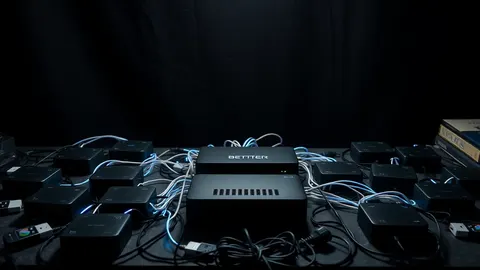
Anthropic’s red team split an AI model across 15 inexpensive Android boxes, warning that small models could self-replicate on insecure IoT devices by late 2026.

The AI platform enters bankruptcy, granting Disney a license to its IP. The service will shut down if no buyer maintains operations.

Sources say NTT Data is in final negotiations to build a 500 MW facility for Anthropic in western Japan, marking a major infrastructure investment.

Register hosts HPE and NVIDIA executives in Washington to discuss capital, capability and operational costs of sovereign AI architectures.