Key points
- Flahy Inc. applies knowledge graphs to AI clinical decision support.
- The approach unifies information affecting prevention and treatment steps.
- CEO Jagjit Singh leads the integration of biological data interpretation.
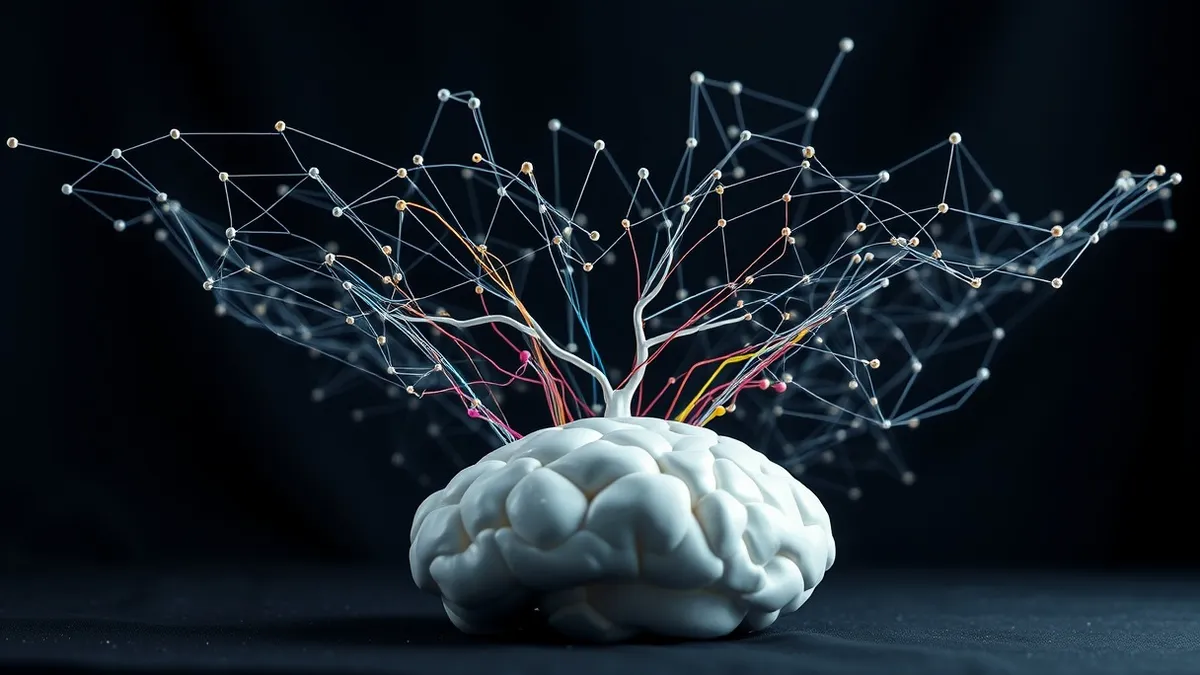
Healthcare technology company Flahy Inc. is implementing knowledge graphs to support artificial intelligence in clinical decision-making, according to a report by SiliconANGLE. The company aims to help interpret complex biological data for drug discovery and personalized care. Founder and CEO Jagjit Singh stated that the technology brings together critical information to determine a patient’s next step in prevention or treatment.
By the numbers
- 1 company deploying this specific AI knowledge graph approach for clinical support.
- 1 executive, Jagjit Singh, leading the strategic implementation at Flahy Inc.
- 1 primary source, SiliconANGLE, reporting on the healthcare technology application.
What the figures mean
The deployment of knowledge graphs by Flahy Inc. signals a shift toward more structured data handling in healthcare AI, according to SiliconANGLE. By connecting disparate biological data points, the system aims to provide clearer insights for drug discovery and personalized care protocols. This method allows for better interpretation of how specific data affects individual patient outcomes.
For managed service providers, this highlights the growing complexity of healthcare IT infrastructure. Organizations must understand how their clients handle sensitive biological data within these AI frameworks. The integration of knowledge graphs requires robust data management strategies to ensure accuracy and security in clinical environments.
SiliconANGLE reports that Flahy Inc. focuses on bringing together information that could affect a person’s next step in prevention or treatment. This suggests a move toward proactive healthcare management driven by AI. Service providers should monitor how such technologies impact data storage and processing requirements for healthcare clients.
What should you do?
Managed service providers should assess their current clients’ data architecture for readiness to support knowledge graph implementations. Reviewing data classification policies is essential when handling biological and clinical information. Ensure that AI systems have clear audit trails for decision-making processes.
Background: Data classification
Implement automated scanning to tag data by sensitivity level. Combine this with strict access policies and regular audits. Treat unlabeled data as high risk. Align your classification scheme with actual business value, not just regulatory labels, to reduce noise and improve detection accuracy.
Read the full guide: Data Classification Best Practices for Enterprise Security
What to do and how to stay safe: Flahy Inc.
- Audit client data flows to ensure biological data is properly classified and secured before AI processing.
- Verify that knowledge graph implementations include strict access controls for sensitive patient information.
- Monitor vendor documentation for Flahy Inc. solutions to understand data retention and privacy compliance.
- Review existing AI governance policies to ensure they cover clinical decision support system outputs.
Step-by-step guide: Shadow AI Explained: 8 Questions Answered for Secure Operations
General security guidance from the BitShield News newsroom. It is not confirmed advice from the organisations named in this story.
Frequently asked questions
How is Flahy Inc. using AI in healthcare?
Flahy Inc. uses knowledge graphs to support AI-powered clinical decision support, helping interpret biological data for drug discovery and personalized care, according to SiliconANGLE.
Who is leading this initiative at Flahy Inc.?
Jagjit Singh, the founder and chief executive officer of Flahy Inc., is leading the application of knowledge graphs to clinical decision support.
What is the primary goal of this technology?
The technology aims to bring together information that could affect a person’s next step in prevention or treatment, according to Jagjit Singh.