Key points
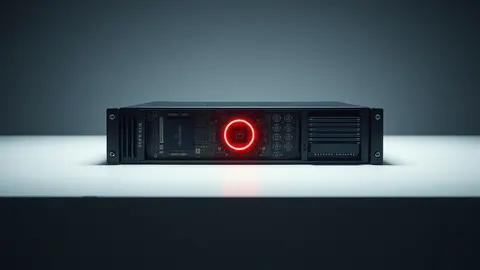
- The DSX Pod is a plug-and-play containerized data center solution unveiled at GTC Berlin.
- Deployment time is reduced to 14 days, compared to months or years for traditional builds.
- The system includes pre-installed Nvidia Vera Rubin compute racks to minimize idle compute.
Jensen Huang unveiled the DSX Pod at Nvidia’s GTC conference in Berlin on Wednesday, presenting it as a solution to Europe’s slow AI infrastructure rollout. According to Wired, the modular unit is designed for organizations that need to produce AI rather than just consume it. The announcement targets enterprises and providers facing long construction delays for traditional data centers.
By the numbers
- 14 days: the time required to bring the DSX Pod online, replacing multi-year construction schedules.
- 4,000: the size of the audience at the Berlin GTC event where the product was introduced.
- 90 minutes: the duration of Jensen Huang’s keynote presentation covering AI and robotics.
What the figures mean
The 14-day deployment window addresses a specific bottleneck in European tech infrastructure. Traditional data centers often take months or years to build, leaving compute resources idle during construction. By arriving fully assembled in a metal container, the DSX Pod eliminates much of this wait. Huang stated this approach slashes idle time and transforms how facilities are deployed. This speed allows organizations to scale AI production capacity more rapidly than conventional methods permit.
What should you do?
Managed service providers should evaluate their current infrastructure lead times against this new modular standard. Teams usually need to assess whether containerized solutions fit their power and cooling constraints. Check whether existing contracts with traditional data center builders allow for accelerated deployment clauses. Internal stakeholders, including procurement and engineering leads, need to be informed about these shifting supply chain dynamics. Review vendor agreements to ensure flexibility for adopting plug-and-play hardware.
Operational impact
Organizations must determine if their facilities can support rapid plug-and-play deployments. Technical teams should verify power and cooling capacity for containerized units. Procurement staff need to review supplier contracts for flexibility regarding hardware arrival. Leadership should assess whether accelerated deployment aligns with current AI production goals. Communication channels must be established to share this shift in infrastructure timelines with clients.
What to do and how to stay safe: Nvidia
- Review current data center construction timelines and identify bottlenecks in your supply chain.
- Assess whether your facilities have the power and space capacity for containerized compute units.
- Monitor vendor announcements for updates on Vera Rubin rack availability and integration requirements.
- Consult with engineering teams to determine if modular deployment fits your specific operational workflow.
Step-by-step guide: Shadow AI Explained: 8 Questions Answered for Secure Operations
General security guidance from the BitShield News newsroom. It is not confirmed advice from the organisations named in this story.
Frequently asked questions
What is the DSX Pod?
It is a modular, plug-and-play AI data center container unveiled by Nvidia at GTC Berlin, pre-assembled with Vera Rubin compute racks.
How long does it take to deploy?
According to the report, the DSX Pod can be brought online in 14 days, significantly faster than traditional construction.
What hardware is included?
The pod arrives packed with Nvidia’s latest Vera Rubin compute racks, ready for immediate operation upon arrival.