Key points
- The Birdbuddy Nook starts at $99 with free AI bird recognition.
- A solar-powered variant costs $159 to extend battery life.
- The company also released a $219 Home mode with larger capacity.
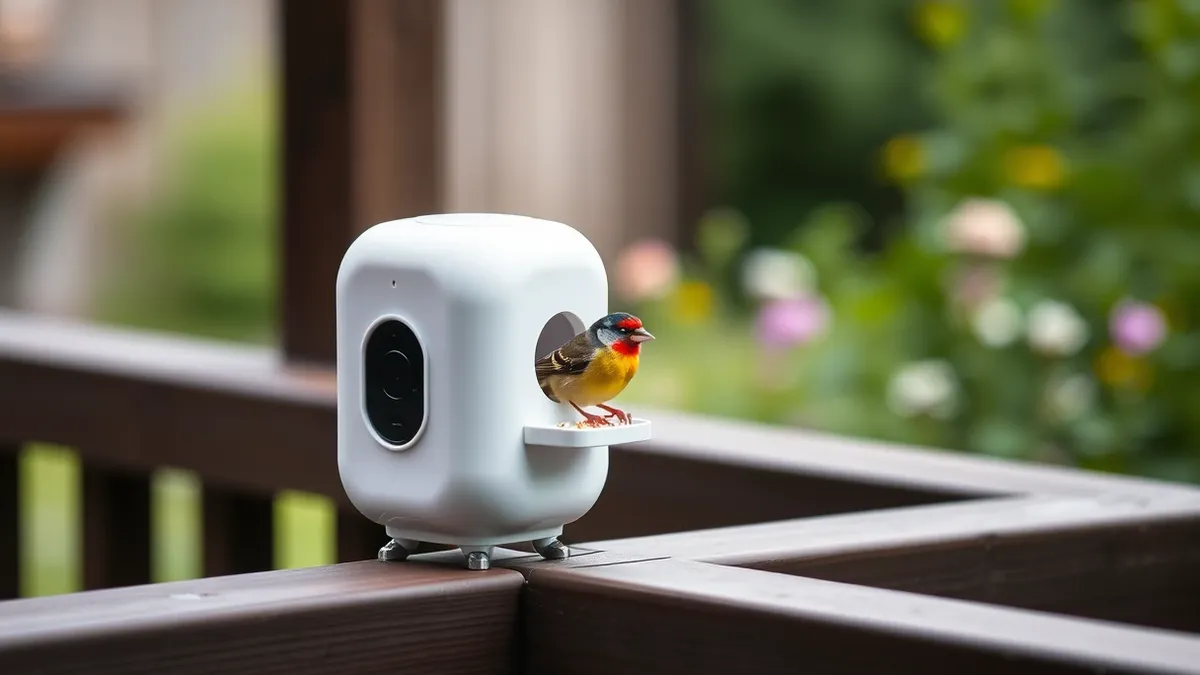
Birdbuddy released a new line of smart bird feeders on Thursday, targeting beginner bird-watchers with a device that costs less than previous industry standards. According to CNET, the launch introduces the Birdbuddy Nook, which provides AI-powered bird species detection without requiring a monthly subscription. This pricing strategy distinguishes the product from most smart feeders that typically cost around $200 or more, making advanced features accessible to home users who manage their own outdoor monitoring systems.
By the numbers
- $99 is the starting price for the standard Birdbuddy Nook model.
- $159 is the cost for the Nook model with a built-in solar panel.
- $219 is the price for the new Birdbuddy Home mode feeder.
What the figures mean
The pricing structure suggests a shift toward mass-market adoption of AI-enhanced outdoor devices. By removing subscription fees for core AI features, Birdbuddy lowers the barrier to entry for users who want species identification capabilities. The solar option addresses the limitation of the base model’s battery life, which is rated for approximately one month. This tiered approach allows consumers to choose between a basic setup and a more robust, self-sustaining installation, depending on their specific outdoor environment and power availability.
What should you do?
For managed service providers, this launch highlights the growing prevalence of AI-driven consumer IoT devices in residential networks. While not a direct enterprise product, it signals trends in edge computing and wireless connectivity demands. Teams should monitor how similar AI features are being integrated into broader smart home ecosystems, as these devices often require stable Wi-Fi connections and regular data transmission. Understanding the power requirements and connectivity needs of such devices can help IT professionals advise clients on network capacity planning and device management strategies for connected home environments.
Operational impact
When evaluating new IoT hardware for client deployments, organizations should assess power management and connectivity requirements. Teams usually check whether devices support local processing or rely entirely on cloud services. Verify if the hardware offers physical security features or if it depends on network protections. Inform network administrators about potential bandwidth usage and ensure that device placement guidelines are clear for end-users.
What to do and how to stay safe: Birdbuddy
- Review Wi-Fi coverage in outdoor areas to ensure stable connectivity for smart feeders.
- Choose solar-powered models if regular battery charging is impractical for the location.
- Place feeders near shrubs or trees to provide bird safety and reduce interference.
- Use safflower seeds or suet to deter squirrels and maintain clear camera views.
Step-by-step guide: Shadow AI Explained: 8 Questions Answered for Secure Operations
General security guidance from the BitShield News newsroom. It is not confirmed advice from the organisations named in this story.
Frequently asked questions
Does the Birdbuddy Nook require a subscription for AI features?
No, the Birdbuddy Nook offers free AI bird-species detection with no subscription needed.
What is the battery life of the standard Nook model?
The standard Nook’s battery is rated for around a month of use.
How much does the Birdbuddy Home mode cost?
The Birdbuddy Home mode costs $219 and features a larger 6-cup capacity.