Key points
- A federal jury found Arm breached its licensing agreement with Qualcomm on 13 October.
- The jury awarded Qualcomm only $2 in total damages for the breach and interference claims.
- A judge must now decide if Qualcomm can withhold royalties for five years.
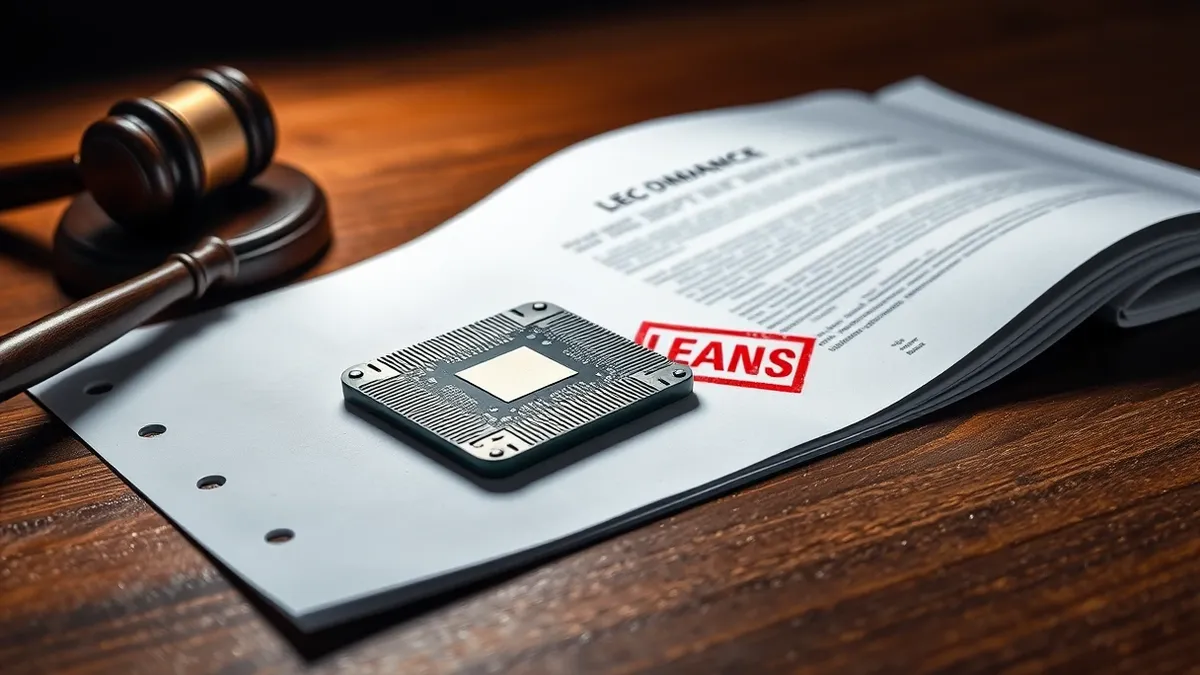
A federal jury in Delaware delivered a verdict on 13 October that finds Arm Holdings breached its long-standing technology license agreement with Qualcomm. The finding also includes a determination that Arm intentionally interfered with Qualcomm’s business relationships, specifically regarding Meta. Despite these findings of breach and interference, the jury awarded Qualcomm only nominal damages of $2 in total. This outcome reflects the jury’s view that Arm operated in good faith, according to statements from Arm.
By the numbers
- $2: Total damages awarded to Qualcomm for breach of contract and intentional interference claims.
- 5 years: The potential duration of royalty withholding that the licensing agreement allows as a penalty.
- 2016: The year SoftBank took control of Arm, marking the start of the soured relationship leading to litigation.
What the figures mean
The nominal $2 award suggests the jury did not view the breach as causing significant financial harm to Qualcomm at this stage. However, the legal finding of a breach triggers a contractual clause that could allow Qualcomm to stop paying royalties to Arm for five years. These royalties could amount to billions of dollars, according to Reuters. US District Judge Maryellen Noreika will decide in the next phase whether this penalty is enforceable. Arm argues that courts cannot enforce this five-year royalty pause.
What should you do?
Managed service providers should monitor this legal development for signals regarding supply chain stability. If your organization relies on chips or software derived from Arm or Qualcomm technologies, legal teams should review licensing dependencies. Procurement departments need to assess whether potential royalty disputes could impact future product availability or pricing. Communication teams should prepare to explain any vendor uncertainty to clients who depend on these underlying technologies for their infrastructure.
Operational impact
Organizations should ask their legal and procurement teams to review current vendor contracts for similar penalty clauses or dependency risks. IT leaders need to determine if their infrastructure relies heavily on a single vendor’s ecosystem that is involved in high-stakes litigation. Teams usually advise checking whether alternative suppliers exist for critical components to mitigate supply chain disruptions. Internal stakeholders, including risk management and executive leadership, need to be informed about potential shifts in vendor relationships that could affect long-term technology roadmaps and operational continuity.
What to do and how to stay safe: Arm
- Review current technology contracts for clauses related to licensing breaches or royalty withholding.
- Identify critical infrastructure components that depend on Arm or Qualcomm technologies.
- Monitor official statements from both vendors for updates on the judge’s upcoming decisions.
- Consult legal counsel to understand how potential royalty pauses might affect downstream software support.
General security guidance from the BitShield News newsroom. It is not confirmed advice from the organisations named in this story.
Frequently asked questions
Did the jury find that Arm acted in bad faith?
No, Arm stated that the nominal $2 award confirms it operated in good faith under the license agreement.
Can Qualcomm stop paying royalties to Arm immediately?
No, a judge must still decide if the five-year royalty withholding penalty is enforceable under the law.
What specific actions did the jury find Arm guilty of?
The jury found Arm breached its obligation to provide software patches and intentionally interfered with Qualcomm’s business with Meta.